



What Is PPF? Need to Know About Paint Protection Film

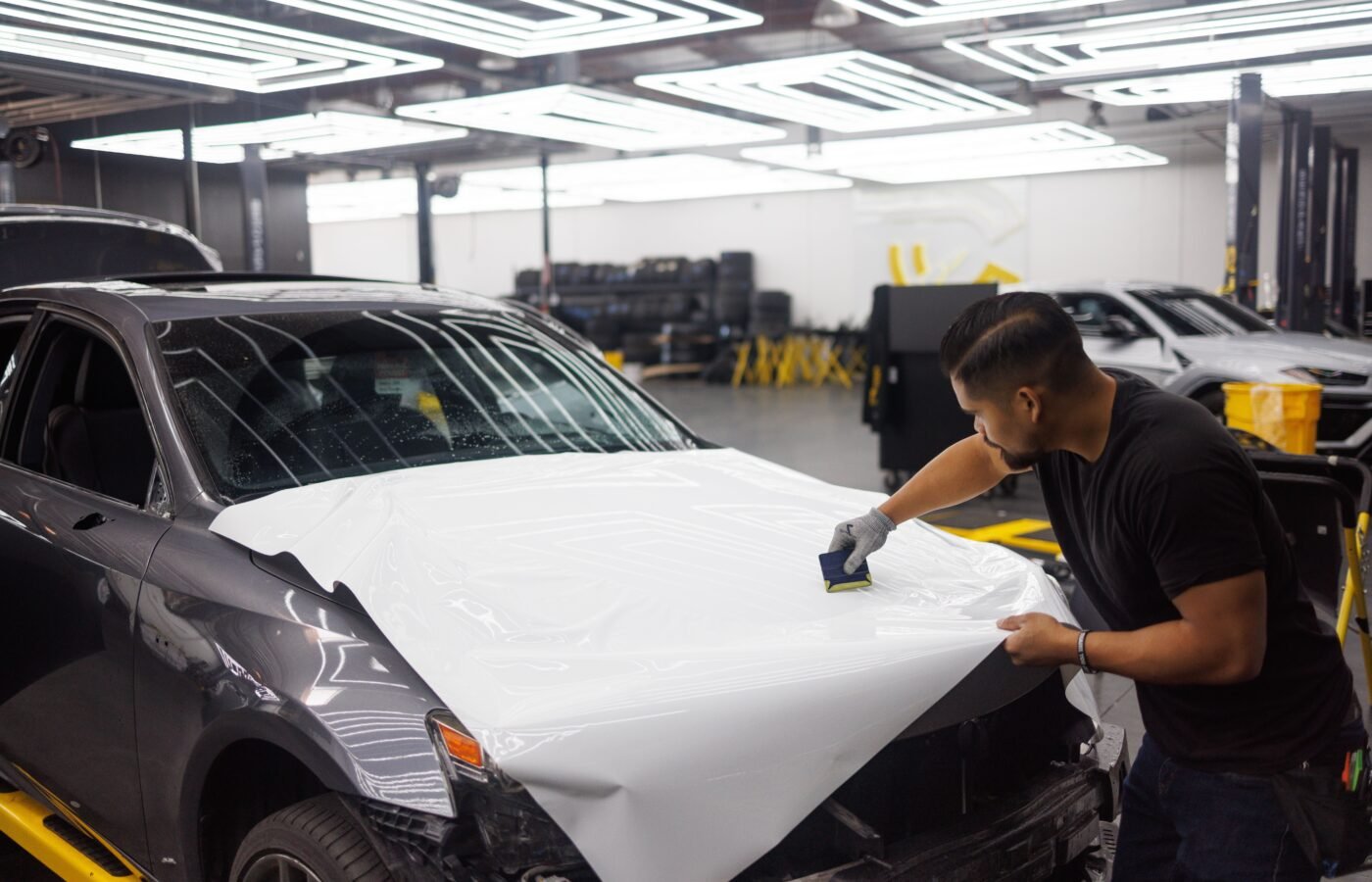
I still remember the first time I watched a technician stretch a sheet of clear film over the hood of a brand-new car in a dusty install bay. I was skeptical. It looked like an expensive version of the screen protector I’d just slapped on my phone, and I couldn’t shake the feeling that I was about to pay a premium for something a good coat of wax could handle. Three years and two cars later — one protected with paint protection film, one without — I’m not skeptical anymore. The unprotected hood has stone chips along the leading edge that no amount of polishing will fully remove. The protected one looks like it rolled off the lot yesterday.
That contrast is really the whole story of paint protection film. This guide walks through what it actually is, how it works, where it makes sense, where it doesn’t, and the questions I get asked most often by people considering it for their own vehicle.
Table of Contents
- What Is PPF, Exactly means?
- How PPF Actually Works
- PPF vs Ceramic Coating vs Wax: The Real Differences
- Types of Paint Protection Film
- Comparing the Major PPF Brands
- The Installation Process
- How Much Does PPF Cost?
- How Long Does PPF Last?
- Pros and Cons, Honestly
- Common Mistakes People Make
- Caring for PPF After Installation
- Where PPF Is Heading Next
- Frequently Asked Questions
- Final Thoughts
What Is PPF, Exactly means?
Paint protection film, almost universally shortened to PPF, is a thin, transparent layer of polyurethane that gets applied directly onto a car’s painted surfaces. Think of it as an invisible skin for your vehicle’s clear coat. It’s sometimes called “clear bra” — an older term from the days when the film was only applied to the front bumper and hood, giving the car a look like it was wearing a bib.
Modern PPF has moved well past that partial coverage. Today it’s common to see full-front kits, full-body wraps, and everything in between, depending on budget and how much protection someone wants.
The film itself is built in layers. There’s a polyurethane base, a layer of adhesive that bonds to the paint, and a topcoat that’s usually self-healing — meaning light swirl marks and fine scratches can disappear on their own when exposed to heat, either from the sun or warm water. That self-healing property is one of the more genuinely impressive parts of the technology, and it’s not marketing fluff. I’ve watched a fine scratch from a fingernail vanish in about ten minutes sitting in direct sunlight.
How PPF Actually Works
The physics behind PPF is simpler than people expect. Road debris — gravel, sand, bugs, tiny bits of asphalt kicked up by the car ahead of you — carries kinetic energy. When that debris hits unprotected clear coat, the energy has nowhere to go except into the paint, creating a chip or a scratch.
PPF changes that equation. The film absorbs and disperses that impact energy across its surface instead of letting it concentrate on a single point of paint. It’s the same basic principle as a phone case cushioning a drop — the material takes the hit so the surface underneath doesn’t have to.
There’s also a UV-blocking element. Most quality films include UV inhibitors that reduce oxidation and sun-fading on the paint underneath, which matters a lot for cars that live outdoors in sunny climates.
PPF vs Ceramic Coating vs Wax: The Real Differences
This is probably the single most common point of confusion, so let’s clear it up properly.
Wax is a sacrificial layer. It adds gloss and minor water resistance, but it wears off within weeks and offers essentially zero protection against physical impact. It’s cosmetic maintenance, not protection.
Ceramic coating is a liquid polymer that bonds chemically to the clear coat, creating a hydrophobic, glossy, chemically resistant layer. It’s excellent against water spots, UV fading, and light chemical staining, and it makes washing easier. But ceramic coating is thin — often just a few microns — and it does nothing meaningful against rock chips or scratches. I’ve seen people assume ceramic coating will stop stone chips; it won’t. It’s not designed to.
PPF is a physical barrier with actual thickness, typically 6 to 8 mils (about 150 to 200 microns), which is why it can absorb impacts that would otherwise chip paint. It doesn’t add the same glass-like gloss that ceramic coating does on its own.
Here’s the part that surprises people: these three aren’t really competitors. The best setups I’ve seen combine PPF on impact-prone areas (front bumper, hood, mirrors, rocker panels) with a ceramic coating layered on top of the film and on the rest of the painted body. You get impact protection where it matters most and easy-clean hydrophobic performance everywhere.
| Feature | Wax | Ceramic Coating | PPF |
|---|---|---|---|
| Stops rock chips | No | No | Yes |
| Self-healing | No | Rarely (only top-tier hybrids) | Yes |
| Lifespan | Weeks | 2–5 years | 5–10 years |
| Adds gloss | Slight | Significant | Minimal on its own |
| Typical cost | $20–$100 | $500–$2,000 | $1,000–$7,000+ |
| Protects against | Nothing structural | UV, water spots, light chemicals | Chips, scratches, abrasion |
Types of PPF means Paint Protection Film
Not all PPF is the same, and the differences matter more than most sales pitches let on.
Urethane PPF (standard) is the most common type — flexible, durable, and what most shops install by default.
TPU (thermoplastic polyurethane) film is a step up in flexibility and self-healing performance, generally used in premium film lines.
Matte PPF achieves a satin, non-reflective finish and is popular for cars that want a stealth look without a full matte wrap. It’s genuinely both a protective and cosmetic product.
Colored/tinted PPF is a newer category that blends the protective properties of film with a tint layer, so the car gets a color change and rock chip protection in one install. This is one of the fastest-growing segments in the industry right now, especially among owners who want a color change without committing to a vinyl wrap that offers no impact protection.
Comparing the Major PPF Brands
If you start researching PPF, three brand names come up constantly: XPEL, 3M, and SunTek. I’ve worked alongside installers who use all three, and here’s my honest read after seeing them in the field, not just on a spec sheet.
XPEL Ultimate Plus is probably the most talked-about film in the enthusiast community right now. It has strong self-healing properties, a good track record on yellowing resistance, and XPEL’s software (DAP — Design Access Program) gives installers precise pre-cut patterns for thousands of vehicle models, which reduces seams and improves fitment. In my experience, XPEL installs tend to look the cleanest around complex curves like mirror caps and door handles.
3M Paint Protection Film Pro Series has been around the longest and carries a reputation for reliability. It’s a bit stiffer to work with during install according to installers I’ve talked to, which can mean slightly more visible edges on tricky panels, but the material itself holds up well long-term and 3M’s warranty support is solid.
SunTek Ultra sits as a strong value option. It doesn’t always get the same enthusiast hype as XPEL, but the self-healing performance is close, and it’s frequently a bit cheaper installed. For daily drivers where budget matters more than bragging rights, SunTek is a reasonable middle ground.
My honest verdict: for a showpiece car or a vehicle you plan to keep long-term, XPEL Ultimate Plus is worth the premium for the finish quality alone. For a daily driver where you mainly want chip protection on the front end, SunTek Ultra delivers most of the same functional benefit for less money. 3M is the safe, proven choice if you value brand longevity and don’t mind slightly less refined edge work.
The Installation Process
A proper PPF install is not a quick job, and that’s a good thing — rushed installs are where problems show up later.
- Wash and decontamination. The car gets a thorough wash, clay bar treatment, and sometimes an alcohol wipe-down to remove any wax, sealant, or contamination that could interfere with adhesion.
- Paint correction (if needed). Any swirl marks or minor imperfections should be polished out before the film goes on, because PPF locks in whatever condition the paint is in underneath it.
- Pattern cutting. Installers either use pre-cut computer patterns (the more precise, modern approach) or hand-cut the film directly on the panel (more common for custom coverage or older/rarer vehicles without existing patterns).
- Application. The film is positioned using a slip solution, then squeegeed into place to remove air bubbles and excess liquid, with edges wrapped or trimmed depending on the panel.
- Heat setting and edge sealing. A heat gun helps the film conform to curves and bond the edges cleanly.
- Curing time. This is the step people rush at their own risk — most films need 24 to 48 hours before the car should be washed, and full cure can take up to two weeks depending on climate.
A rushed install typically shows itself within the first few months as lifting edges, trapped dirt under the film, or visible seams that a patient installer would have hidden along a panel’s natural break line.
How Much Does PPF Cost?
Pricing varies a lot by region, film brand, and coverage level, but here’s a realistic range based on what I’ve seen quoted across different shops:
- Partial front (bumper, partial hood, mirrors): $600–$1,200
- Full front end (full hood, fenders, bumper, mirrors): $1,200–$2,500
- Track pack / high-impact zones (adds rocker panels, headlights): $1,800–$3,000
- Full body wrap: $4,500–$8,000+
Luxury and exotic vehicles with complex curves push toward the higher end because of the extra labor involved in pattern-fitting around intricate body lines.
How Long Does PPF Last?
Quality PPF is generally rated for 5 to 10 years, though real-world lifespan depends heavily on climate, maintenance, and how the car is driven. A garage-kept car in a mild climate can see film hold up beautifully near the ten-year mark. A car that’s driven hard on gravel roads or parked outdoors in intense UV year-round will likely need replacement closer to the five-year mark, mostly due to yellowing at the edges or reduced self-healing response.
Most reputable brands back their film with a warranty covering yellowing, cracking, and adhesive failure — worth checking before you commit, since warranty terms differ meaningfully between XPEL, 3M, and SunTek.
Pros and Cons, Honestly
Pros:
- Genuinely prevents rock chips and minor scratches
- Self-healing top coat keeps the car looking newer longer
- Preserves resale value by protecting factory paint
- UV protection reduces long-term fading
- Nearly invisible when installed well
Cons:
- Expensive, especially for full coverage
- Requires a skilled installer — a bad install is worse than no film at all
- Can yellow at the edges over time, particularly with cheaper film
- Adds a very slight texture that some people notice up close
- Not a substitute for gloss-enhancing products like ceramic coating
Common Mistakes People Make
The biggest mistake I see is going with the cheapest quote without checking installer experience. PPF is as much about installer skill as it is about the film itself — a mediocre film installed perfectly will outperform a premium film installed poorly.
The second mistake is washing the car too soon after install, before the adhesive has fully cured, which can cause edges to lift.
The third is skipping paint correction beforehand. Film applied over swirl marks and scratches locks those imperfections in for the life of the film.
Caring for PPF After Installation
PPF isn’t maintenance-free, but it’s low-maintenance. Hand washing with a pH-neutral shampoo is ideal; automated brush car washes can be harsh on edges and are best avoided, though touchless washes are generally fine. Avoid pressure-washing directly at film edges from close range. Topping the film with a ceramic coating or sealant every year or two helps maintain gloss and makes cleaning easier, since PPF on its own isn’t especially hydrophobic.
Where PPF Is Heading Next
The industry is clearly moving toward two things: color-integrated film and better self-healing chemistry. Colored PPF is becoming a legitimate alternative to traditional wraps for people who want a color change without giving up impact protection, and I expect that segment to keep growing fast over the next few years.
On the material science side, manufacturers are pushing toward thinner films that still deliver the same impact resistance, which would reduce the slight texture and edge visibility that’s currently the main cosmetic trade-off. There’s also growing interest in films with improved chemical resistance for regions that deal with harsh de-icing salts or industrial fallout.
Frequently Asked Questions
Does PPF damage the paint underneath when removed? When installed and removed correctly on paint that was in good condition beforehand, no. Problems arise mainly when film is left on well past its intended lifespan or was applied over damaged clear coat.
Can I apply PPF myself? Small kits exist for headlights or mirrors, but full panels require experience to avoid bubbles, stretching, and visible seams. Most people are better off leaving full installs to professionals.
Is PPF worth it on a leased car? Often yes, especially for the front end, since it protects against chips that could affect lease-end inspection costs, and most film can be removed cleanly at lease return.
Does PPF turn yellow? Lower-quality film can yellow over time, especially at the edges. Reputable brands with UV inhibitors resist this well for years, but it’s not impossible even on premium film in extreme climates.
Is PPF better than a wrap? They serve different purposes. Wraps are primarily cosmetic; PPF is primarily protective. Colored PPF now blends both.
Final Thoughts
Paint protection film isn’t magic, and it isn’t for everyone. If you drive an older car you plan to sell in a year, it’s probably not worth the investment. But if you’ve got a car you actually care about — a new purchase, a low-mileage classic, something you plan to keep — PPF is one of the few upgrades I’ve seen consistently pay for itself in preserved resale value and peace of mind. The difference between a hood that’s taken five years of highway miles with film versus without isn’t subtle. It’s the difference between paint that looks tired and paint that looks like it’s barely been driven.
My advice after seeing this play out across dozens of vehicles: don’t chase the cheapest quote, ask to see the installer’s past work up close, and treat the first two weeks after install with a little patience. Do that, and PPF will quietly do its job for years without you ever having to think about it again.
About the Author Jack
This article was researched and written by an automotive detailing and vehicle care specialist named Jack with hands-on experience observing PPF installations, ceramic coating applications, and long-term paint maintenance across a range of vehicles. The insights here are drawn from direct conversations with certified installers, side-by-side comparisons of major film brands, and years of tracking how different protection methods hold up under real-world driving conditions. The goal of this piece is to give readers a clear, practical, and honest understanding of paint protection film — free of marketing exaggeration — so they can make an informed decision for their own vehicle.