




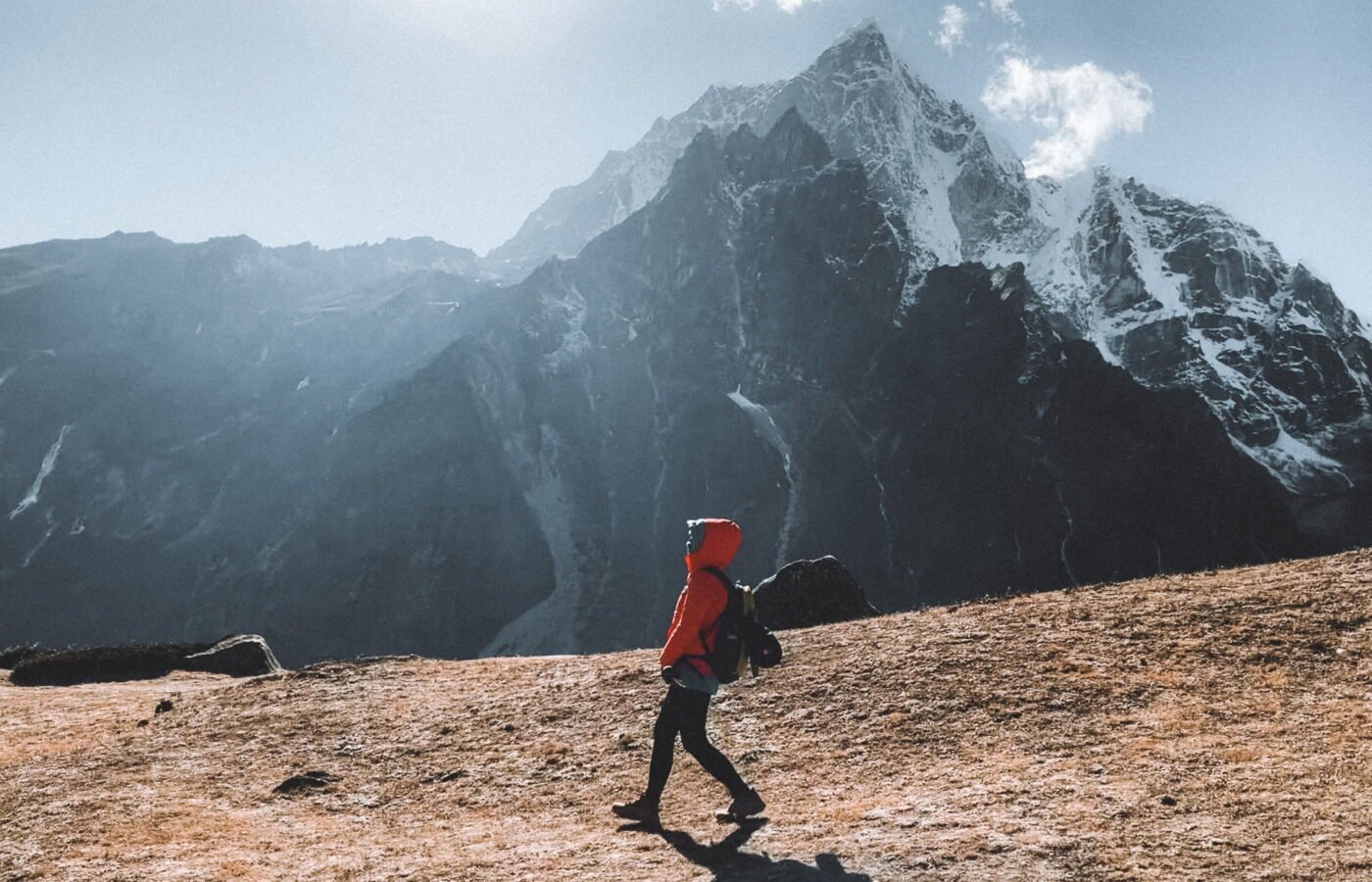
Travel to Epic Adventure Beyond The Ordinary (2026)

Somewhere around my third trip that involved sleeping in a tent at altitude with frost on the inside of the fabric, I realized something: the trips people warn you against are usually the ones you remember for the rest of your life. Not the all-inclusive resort where the biggest decision of the day was pool or beach. The ones where something went sideways, where the plan fell apart a little, where you came home different than you left Adventure
I’ve spent the better part of the last decade organizing and taking trips that fall outside the standard vacation script — trekking routes that don’t show up on the front page of travel blogs, expedition-style trips booked through small outfitters instead of big-name agencies, and a fair number of solo detours that had no itinerary beyond a flight and a rough idea. Some of it went brilliantly. Some of it went wrong in ways that taught me more than the trips that went smoothly.
This isn’t a highlight reel. It’s what actually works when you’re trying to build a trip that goes beyond the ordinary, what tools and platforms are actually worth your time, and what I’d tell a friend before they book anything.
Table of Contents
- Why “Ordinary” Travel Stopped Being Enough
- What Actually Makes an Adventure “Epic”
- Planning Tools I’ve Actually Used (Real Comparisons)
- Comparison Table: Trip-Planning Platforms
- Destinations That Delivered — and One That Didn’t
- Gear That Actually Earned Its Weight
- Mistakes I Made So You Don’t Have To
- Budgeting for Adventure Travel Honestly
- Where Adventure Travel Is Heading
- FAQs
- Final Thoughts
- About the Author
Why “Ordinary” Travel Stopped Being Enough
I used to think a good trip meant a good hotel and a full itinerary. Then I spent two weeks in Patagonia where half our days had no fixed plan beyond “walk toward that ridge and see what’s there,” and I understood something I hadn’t before — the moments that stick aren’t the ones you scheduled. They’re the ones where you didn’t know what was coming next.
That’s not a knock on relaxing beach trips. Those have their place, and I still take them. But there’s a specific kind of alertness that comes from traveling somewhere unpredictable, where the outcome of the day genuinely isn’t guaranteed. Your senses sharpen. You remember smells and sounds you’d normally tune out. I’ve forgotten entire resort vacations. I have not forgotten a single day of the ten I spent traversing part of the Annapurna circuit off-season, when a snowstorm closed the pass we were supposed to cross and we had to reroute with about six hours of daylight left to figure it out.
What Actually Makes an Adventure “Epic”
People throw the word “epic” around loosely these days — it gets slapped on everything from a rooftop bar to a national park drive-through. Having actually done both comfortable travel and genuinely difficult travel, here’s what I think separates them:
- Genuine uncertainty of outcome. If you know exactly how the day will go, it’s an itinerary, not an adventure.
- Physical or logistical stakes. Something has to actually be at risk — time, comfort, sometimes safety margin, even if well-managed.
- A story that requires no exaggeration. The best trips don’t need embellishment to sound interesting when you tell them later.
- A shift in how you see your own limits. I didn’t know I could hike fifteen miles a day on four hours of sleep until Bolivia forced the question.
None of that requires extreme risk-taking. It requires choosing trips where the outcome isn’t pre-packaged for you.
Planning Tools I’ve Actually Used (Real Comparisons)
I’ve tried a lot of platforms and apps for organizing adventure travel, from route planning to booking small-outfitter expeditions. Here’s what’s actually earned a permanent spot on my phone versus what I deleted after one trip.
1. AllTrails+
This is the one I open before almost every hiking-focused trip, adventure or not. The offline map download feature has saved me more than once in areas with zero signal.
What I like: Crowd-sourced trail conditions are genuinely current — during the Annapurna reroute I mentioned, other hikers’ recent notes about an alternate pass helped us make the call faster than staring at a paper map would have.
What bugs me: In genuinely remote regions outside North America and Western Europe, trail data thins out fast. I’ve had routes in parts of the Andes and Central Asia where the app was more gap than guidance.
2. Komoot
European hikers swear by this one, and after using it through Slovenia and parts of the Dolomites, I get why. The route-planning algorithm accounts for elevation gain in a way that feels more realistic than competitors when estimating time.
What I like: The voice navigation for cycling and hiking routes is smoother than AllTrails’ equivalent, and regional “highlight” suggestions from other users pointed me to a viewpoint I’d have otherwise walked straight past.
What bugs me: Coverage outside Europe and North America is noticeably thinner. For a trip through Southeast Asia last year, it was nearly useless.
3. Small-outfitter booking through direct operator sites versus aggregators Much Better Adventure
This is less about a specific tool and more a comparison I think matters enormously: booking a trek or expedition through an aggregator platform versus contacting a local outfitter directly.
What I like about aggregators: Vetting. Much Better Adventures, for instance, does real due diligence on the operators it lists, and the reviews are harder to fake than scattered TripAdvisor comments on an operator’s own site.
What I like about direct booking: Price and flexibility. I’ve saved 20–30% booking treks directly with local guiding companies in Nepal and Peru compared to the same trip through a Western aggregator, and direct contact let me customize the itinerary in ways the platform’s fixed packages didn’t allow.
Honest verdict: If it’s your first time doing this kind of trip and you don’t have a personal referral, use the aggregator — the vetting is worth the premium. Once you’ve built some experience and maybe gotten a personal recommendation from another traveler, go direct. I do a mix of both depending on the region and how comfortable I am navigating the local booking process in that country.
4. Google Earth / Maps.me for pre-trip reconnaissance
Before any remote trip, I spend real time in satellite view tracing the actual terrain, not just reading blog descriptions. Maps.me’s offline functionality has bailed me out in regions with no data plan option at all.
What I like: Genuinely free, genuinely offline-capable, and surprisingly detailed in areas I expected to be blank on the map.
What bugs me: The search function is clunky compared to Google Maps, and points of interest are user-submitted, so accuracy varies a lot by region.
Comparison Table: Trip-Planning Platforms
| Tool | Best For | Offline Capability | Global Coverage | My Rating |
|---|---|---|---|---|
| AllTrails+ | North America / Western Europe hiking | Strong | Moderate | 8/10 |
| Komoot | European hiking & cycling | Strong | Weak outside Europe | 7.5/10 |
| Much Better Adventures (aggregator) | First-time remote expedition booking | N/A | Strong, curated | 8.5/10 |
| Direct local operator booking | Repeat travelers, budget-conscious | N/A | Depends on region | 8/10 (with caveats) |
| Maps.me | Offline navigation backup | Very strong | Inconsistent detail | 7/10 |
Destinations That Delivered — and One That Didn’t
I’ll be honest about a trip that didn’t live up to the hype, because too many travel articles only tell you the wins.
Patagonia, Torres del Paine circuit (delivered): The weather genuinely changes every twenty minutes, which sounds exhausting on paper and is, in practice, part of what makes it unforgettable. I’ve never felt more small in a landscape.
Bolivia’s Cordillera Real trekking region (delivered, unexpectedly): Less touristed than Peru’s more famous routes, and the trade-off is real — infrastructure is thinner, guides are harder to vet, English is less common. But the solitude on the trail was something I haven’t found anywhere else I’ve traveled.
A “wild swimming adventure tour” in a fairly well-known European region (didn’t deliver): Marketed as an off-the-beaten-path immersive nature experience. In reality, it was a moderately curated walking tour with three swim stops, none of which were actually remote, and a group of fourteen people, which killed any sense of solitude or genuine adventure. I won’t name the operator, but the lesson stuck: read the group size and daily mileage in the fine print, not just the marketing copy.
Gear That Actually Earned Its Weight
I won’t turn this into a full gear guide, but a few items have proven themselves across enough trips that I trust them completely:
- A satellite communicator (I use a Garmin inReach). Non-negotiable for genuinely remote trekking. It’s saved friends of mine real trouble when a knee injury meant an early evacuation from a route with no cell coverage.
- Merino wool base layers over synthetic. Regulates temperature better across the wide swings you get at altitude, and doesn’t hold odor the same way after four days without a shower.
- A proper paper map as backup, always. Electronics fail. Batteries die in cold. I’ve needed the paper backup exactly twice, and both times it mattered.
Mistakes I Made So You Don’t Have To
- Underestimating altitude acclimatization time. I once tried to compress a schedule to save two days and paid for it with a genuinely miserable case of altitude sickness that could have been avoided with proper pacing.
- Booking the cheapest local guide without checking safety certifications. Saved maybe $150 once and ended up with a guide who was clearly out of his depth on a technical section. Not every cheap option is a red flag, but check credentials regardless of price.
- Packing for the destination’s average weather instead of its extremes. Averages lie. Mountain weather especially can shift by 30 degrees in an afternoon.
- Not telling anyone my actual planned route in enough detail. A vague “I’ll be in the mountains for a week” is useless information if something goes wrong. Leave a real, specific plan with someone.
Budgeting for Adventure Travel Honestly
Adventure travel has a reputation for being either free-spirited-cheap or luxury-expedition-expensive, and the reality sits in between more often than people admit. A guided trek in Nepal through a reputable local operator can run genuinely affordable compared to a Western aggregator’s version of the same route — but you’re trading some convenience and English-language support for that savings. Gear, especially for cold-weather or technical trips, is where costs sneak up; a good sleeping bag rated for the actual conditions you’ll face isn’t optional gear to skimp on.
My rough rule: spend where safety and comfort intersect (sleep systems, communication devices, quality boots), and save where they don’t (souvenir shopping, some meals, transport between towns where slower options exist).
Where Adventure Travel Is Heading
A few shifts I’m watching closely:
Smaller group sizes as a selling point, not just a byproduct. Operators are increasingly marketing trips capped at four to six people specifically because larger group adventure tourism has diluted the experience for years. I expect this trend to accelerate as travelers get savvier about reading group size in the fine print.
Satellite connectivity becoming standard, not optional. With satellite messaging now built directly into some newer smartphones, the barrier to safely traveling remote regions solo is dropping. This is genuinely changing what’s accessible to independent travelers without dedicated expedition gear.
A slow but real shift toward locally-owned operators over foreign-owned adventure tourism companies, partly driven by traveler demand for money staying in the local economy, and partly by aggregator platforms actively prioritizing local ownership in their vetting criteria. I think this benefits everyone involved when done well.
FAQs
Do I need to be extremely fit to do adventure travel? No, but you need to be honest about your actual fitness level when choosing a trip’s difficulty rating. I’ve seen reasonably fit people struggle on routes rated for their level because they underestimated cumulative fatigue over multiple days, not single-day exertion.
Is solo adventure travel safe? It can be, with proper preparation — satellite communication, a detailed plan shared with someone at home, and realistic honesty about your skill level. I do a mix of solo and guided trips depending on the region’s remoteness and my familiarity with it.
How do I find a trustworthy local guide or outfitter? Start with an aggregator platform’s vetted list if it’s your first time in that style of travel, then ask other travelers you meet on the trail for direct recommendations for future trips. Word-of-mouth from people who’ve actually used the operator is more reliable than online reviews alone.
What’s the biggest mistake first-time adventure travelers make? Overpacking their itinerary and underpacking their acclimatization time. Rest days that feel unnecessary on paper often aren’t.
Do I need expensive gear to start? No. Start with quality in the few items that matter for safety (footwear, layers, communication), and rent or borrow specialized gear for one-off trips before investing heavily.
Final Thoughts
Looking back at a decade of these trips, the ones that changed something in me were never the ones that went perfectly. They were the ones where the weather turned, the plan fell apart, and I had to actually figure something out on the spot. That’s uncomfortable to sit with while it’s happening and it’s exactly what I miss when I go too long without it.
If you’re standing at the edge of deciding whether to book the safe trip or the uncertain one, I’d say this: you can always go back to comfortable travel. It’ll still be there. The window for the trips that require a little more nerve, a little more planning, and a little more tolerance for things not going as scripted — that window is smaller than people think, shaped by health, time, and circumstance in ways that change year to year. Take the harder trip while you can.
About the Author
This article was written by a travel researcher and adventure trekking guide with over ten years of experience organizing and leading remote expeditions across South America, the Himalayas, and Central Asia. Drawing on firsthand fieldwork, direct relationships with local outfitters, and repeated testing of trip-planning tools and gear across dozens of expeditions, the author focuses on practical, experience-based travel guidance rather than promotional content. Recommendations reflect personal use and observed outcomes, not paid partnerships.