




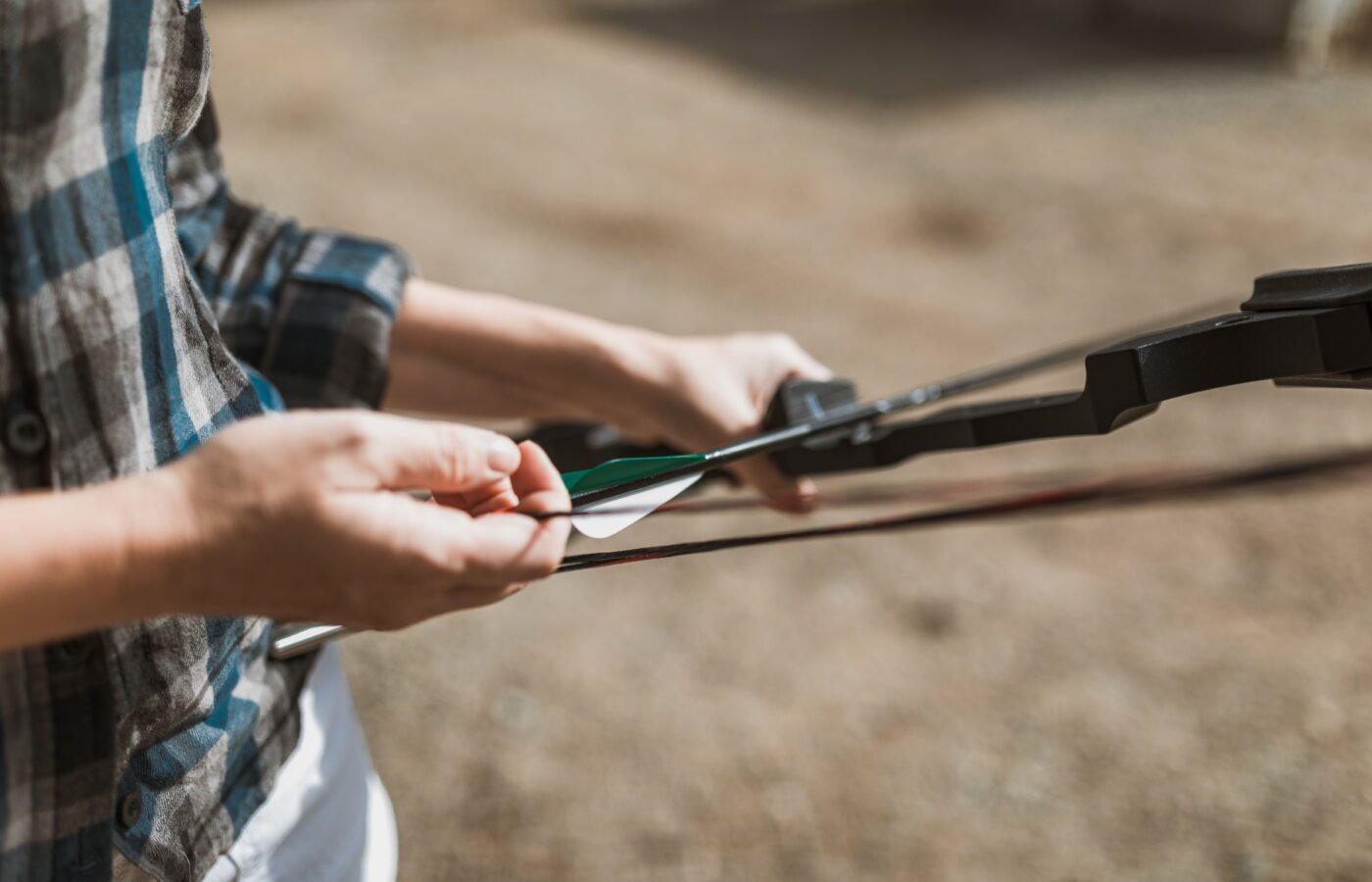
Best Finger Tab for Recurve Archery

I’ve gone through more finger tabs than I care to admit. Some got tossed in a drawer after two sessions because the leather cupped wrong. One got duct-taped back together because I liked the feel too much to let it die gracefully. So when people ask me what the “best” finger tab for recurve archery is, I usually laugh a little — because the honest answer depends on your draw length, your glove size, your climate, and honestly, how much you sweat.
But there are patterns. After coaching juniors at my local club for the better part of six years and shooting Olympic recurve myself since college, I’ve narrowed the field down to a handful of tabs that consistently outperform the rest — and a few popular ones that, frankly, are overrated.
This isn’t a listicle scraped from Amazon reviews. It’s what I’ve actually shot, what my students have actually shot, and what broke, slipped, or held up when it mattered.
Table of Contents
- Why the Finger Tab Matters More Than People Think
- What Actually Makes a Finger Tab Good
- The Tabs I Recommend (Real Comparisons)
- Comparison Table: Quick Reference
- Honest Verdicts by Shooter Type
- Common Mistakes When Choosing a Tab
- Break-In Period: What to Expect
- Where Archery Tabs Are Heading
- FAQs
- Final Thoughts
- About the Author
Why the Finger Tab Matters More Than People Think
Most beginners obsess over their bow, their limbs, their sight — and treat the tab as an afterthought, something you grab off a pegboard because it’s cheap and fits roughly. I get it. I did the same thing my first year.
Then I switched from a bargain-bin tab to a properly fitted Cavalier Elite, and my groups tightened up without changing anything else in my setup. That wasn’t magic. It was consistency. A tab that shifts even slightly on your fingers changes your release, and a changed release changes where the arrow goes — every single time, in a slightly different way.
The tab is the one piece of equipment touching the string at the exact moment of release. If it’s inconsistent, everything downstream — your anchor, your follow-through, your form — is fighting against a variable you can’t fully control.
What Actually Makes a Finger Tab Good
Forget marketing copy for a second. Here’s what actually separates a great tab from a mediocre one, based on what I’ve felt shooting hundreds of arrows a week:
- Consistent surface texture. The face needs to feel the same on arrow 1 and arrow 200 of a session. Cheap leather glazes over and gets slick; good tabs resist that.
- Proper finger spacing. If the ledge under your index finger sits even a millimeter off, string pinch changes and your release timing suffers.
- Rigid backing without being stiff on your knuckles. A floating backplate — not glued flush to the leather — lets the tab flex slightly during the draw without collapsing.
- A ledge you can actually feel with your chin. Anchor consistency depends on this more than people realize.
- Durability in humidity. This one’s underrated. Leather that’s fine in a dry gym turns tacky and unpredictable outdoors in summer.
The Tabs I Recommend (Real Comparisons)
1. Cavalier Elite Coach’s Tab
This is what I shoot competitively, and what I put most of my intermediate students into once they’ve outgrown their starter tab. The floating shelf design is the standout feature — it genuinely reduces string pinch on shorter draw lengths, which matters a lot for younger or smaller-framed archers.
What I like: The backing plate doesn’t dig into your hand the way some rigid tabs do. Leather quality is consistently good across units — I haven’t had a bad one out of maybe fifteen I’ve purchased over the years for the club.
What bugs me: Sizing runs slightly large. If you’re between sizes, size down, not up. I learned this the expensive way after ordering three mediums that ended up in a donation box.
2. Fivics Guardian Tab
Fivics makes tabs that feel almost clinical in their precision — everything is adjustable, from the finger spacing to the ledge height to the shelf angle. For archers who’ve been shooting long enough to know exactly what they want, this is close to ideal.
What I like: The adjustability is real, not cosmetic. I’ve fine-tuned the ledge position for a student with an unusually short draw length and it fixed an anchor consistency problem we’d been chasing for months.
What bugs me: It’s overkill for beginners. Too many adjustment points can become a distraction when you’re still learning basic form. I don’t hand these to first-year shooters.
3. Neet Tab (the classic leather one, not the newer synthetic line)
There’s a reason this thing has survived decades in club inventories. It’s simple, cheap, and shockingly durable for the price. I still keep a stack of these for beginners because they’re forgiving of imperfect hand positioning while you’re learning.
What I like: Nearly indestructible. I’ve seen these outlast three seasons of daily junior program use.
What bugs me: The leather is genuinely inferior to Cavalier or Fivics in terms of surface consistency. Fine for learning, but I wouldn’t compete with one past intermediate level.
4. Decut Tradition Tab
A newer entrant that’s gained a following among barebow and traditional-leaning recurve shooters, but plenty of Olympic-style shooters use it too. The suede-backed leather has a softer initial feel than Cavalier’s, which some archers prefer for comfort during long practice sessions.
What I like: Comfortable for high-volume shooting. If you’re doing 200+ arrows in a session, your fingers will thank you.
What bugs me: The softness that makes it comfortable also means it breaks in faster — which sounds good until you realize “faster break-in” often means “faster to become inconsistent.” I replace mine more often than my Cavalier.
5. AAE (Arizona Archery Equipment) Shooter’s Choice Tab
Budget-friendly and widely available, this is the tab I recommend when someone asks “what should I buy before I know if I even like this sport?” It won’t win you a national title, but it won’t hold you back from learning good form either.
What I like: Price point. You can buy two and still spend less than one premium tab.
What bugs me: The finger loop tends to stretch out faster than other brands. Not a dealbreaker for occasional shooters, but frustrating if you shoot multiple times a week.
Comparison Table: Quick Reference
| Tab | Best For | Price Range | Durability | Adjustability | My Rating |
|---|---|---|---|---|---|
| Cavalier Elite Coach’s Tab | Intermediate to competitive | $$$ | High | Moderate | 9/10 |
| Fivics Guardian Tab | Advanced/competitive | $$$$ | High | Very High | 9/10 |
| Neet Classic Tab | Absolute beginners | $ | Very High | Low | 7/10 |
| Decut Tradition Tab | High-volume practice shooters | $$ | Moderate | Low | 7.5/10 |
| AAE Shooter’s Choice | First-time buyers | $ | Moderate | Low | 6.5/10 |
Note on pricing tiers: $ under roughly $15, $$ around $15–25, $$$ around $25–40, $$$$ $40 and above, based on typical retail pricing I’ve seen across pro shops and online retailers as of recent seasons. Actual prices shift with region and retailer, so treat this as relative, not exact.
Honest Verdicts by Shooter Type
If you’re brand new to recurve archery: Get the Neet or the AAE tab. Don’t spend money on a premium tab before you know your draw length is stable and your form isn’t still shifting week to week. I’ve watched too many beginners buy a $45 tab and outgrow their hand position within a month, making the fit useless.
If you’re shooting several times a week and starting to compete locally: This is where the Cavalier Elite earns its price tag. It’s the sweet spot of quality and value for someone serious but not yet chasing national rankings.
If you’re an experienced shooter chasing marginal gains: Fivics. The adjustability lets you dial in details that actually matter at that level — ledge height, finger spacing — details a beginner wouldn’t even notice are off.
If you shoot traditional or barebow style: The Decut has a following in that community for good reason, though plenty of barebow shooters I know still prefer a simple Neet for the tactile feedback.
Common Mistakes When Choosing a Tab
I see the same errors over and over at the range:
- Buying based on color or brand reputation alone. I’ve had students pick a tab because their favorite pro uses it, without considering that pro has a completely different hand size and draw length.
- Ignoring finger spacing entirely. Most tabs come in small, medium, and large based on finger width — not just hand size. Try it on before buying if you can.
- Not replacing a worn tab soon enough. Leather that’s glazed and shiny from overuse is no longer giving you consistent surface feedback. If you can’t remember the last time you replaced yours, it’s probably time.
- Over-tightening the finger loop. This restricts blood flow over a long session and actually changes your grip pressure unconsciously.
Break-In Period: What to Expect
Every leather tab needs a break-in period, and skipping this step is where a lot of buyer’s remorse comes from. In my experience, expect roughly 200–400 arrows before a quality leather tab settles into its final feel. During that window, the leather softens slightly and molds to your finger pressure points.
Don’t judge a new tab’s performance in the first session. I’ve had archers write off tabs that turned out to be excellent once broken in properly — they just judged too early.
Where Archery Tabs Are Heading
A few trends worth watching if you care about where the gear is going:
Synthetic and hybrid materials are creeping into the space. Some manufacturers are experimenting with synthetic leather blends that resist humidity better than natural leather — genuinely useful if you shoot outdoors in variable climates. I’ve tried a couple of prototypes at trade demonstrations and the surface consistency is promising, though the “broken in” feel of real leather is hard to fully replicate.
Modular tabs with swappable finger plates are also gaining traction, letting one shooter own a single backplate and change out worn leather sections instead of replacing the entire tab. This could meaningfully reduce cost over time for high-volume shooters, and I expect more brands to adopt this in the next few seasons.
3D-scanned custom fitting is still niche but starting to show up at higher-end pro shops — measuring your actual finger geometry rather than relying on small/medium/large sizing. It’s early days, and the cost is still prohibitive for most recreational archers, but it’s a direction worth keeping an eye on if you’re serious about the sport long-term.
FAQs
Do I need a different tab for indoor versus outdoor shooting? Not strictly, but many competitive archers do switch. Humidity and temperature swings affect leather feel, and some prefer a slightly different ledge setup for the different sight picture and distances involved. For recreational shooters, one good tab is fine for both.
How do I know my finger tab fits correctly? Your fingers should sit comfortably in the loops with the ledge resting naturally under your chin at anchor, without you having to adjust your hand position to compensate. If you’re straining or the ledge sits noticeably off from your jawline, try a different size or a different ledge design.
Can I use the same tab for both recurve and compound? Compound shooters generally use a release aid instead of a finger tab, so this question mostly applies if you shoot recurve traditionally alongside a compound setup with fingers. In that case, yes, the same tab typically works fine.
How often should I replace my tab? For someone shooting a few times a week, I’d say every 8–12 months is reasonable, though it really depends on how quickly the leather glazes over for you specifically. Watch the surface, not the calendar.
Is a more expensive tab always better? No. A $45 tab in the hands of someone whose draw length and form are still changing is money poorly spent. Fit and timing in your development matter more than price tag.
Final Thoughts
If there’s one thing I wish someone had told me early on, it’s that the “best” tab isn’t a fixed answer — it’s a moving target that changes as your form, your draw length, and your goals evolve. The tab that got me through my first two competitive seasons isn’t the one I shoot now, and the one I shoot now probably won’t be the one I’m using in five years.
What I’d actually tell a friend walking into a pro shop today: start simple, don’t overspend before your form stabilizes, and pay attention to how the tab feels after arrow 150 of a session, not just arrow one. That’s where the real differences show up. Everything else — the branding, the color, the price tag — matters a lot less than most people assume when they’re standing at the counter trying to decide.
About the Author
This article was written by an archery researcher and club-level coach with over a decade of experience in Olympic recurve competition and junior program instruction. Drawing on hands-on testing of equipment across multiple seasons and direct coaching experience with archers ranging from first-time shooters to regional competitors, the author focuses on practical, field-tested insights rather than manufacturer marketing claims. Equipment recommendations reflect personal use and observed outcomes across a club environment, not paid endorsements.