



Lab Grown Diamond Earrings in 2026

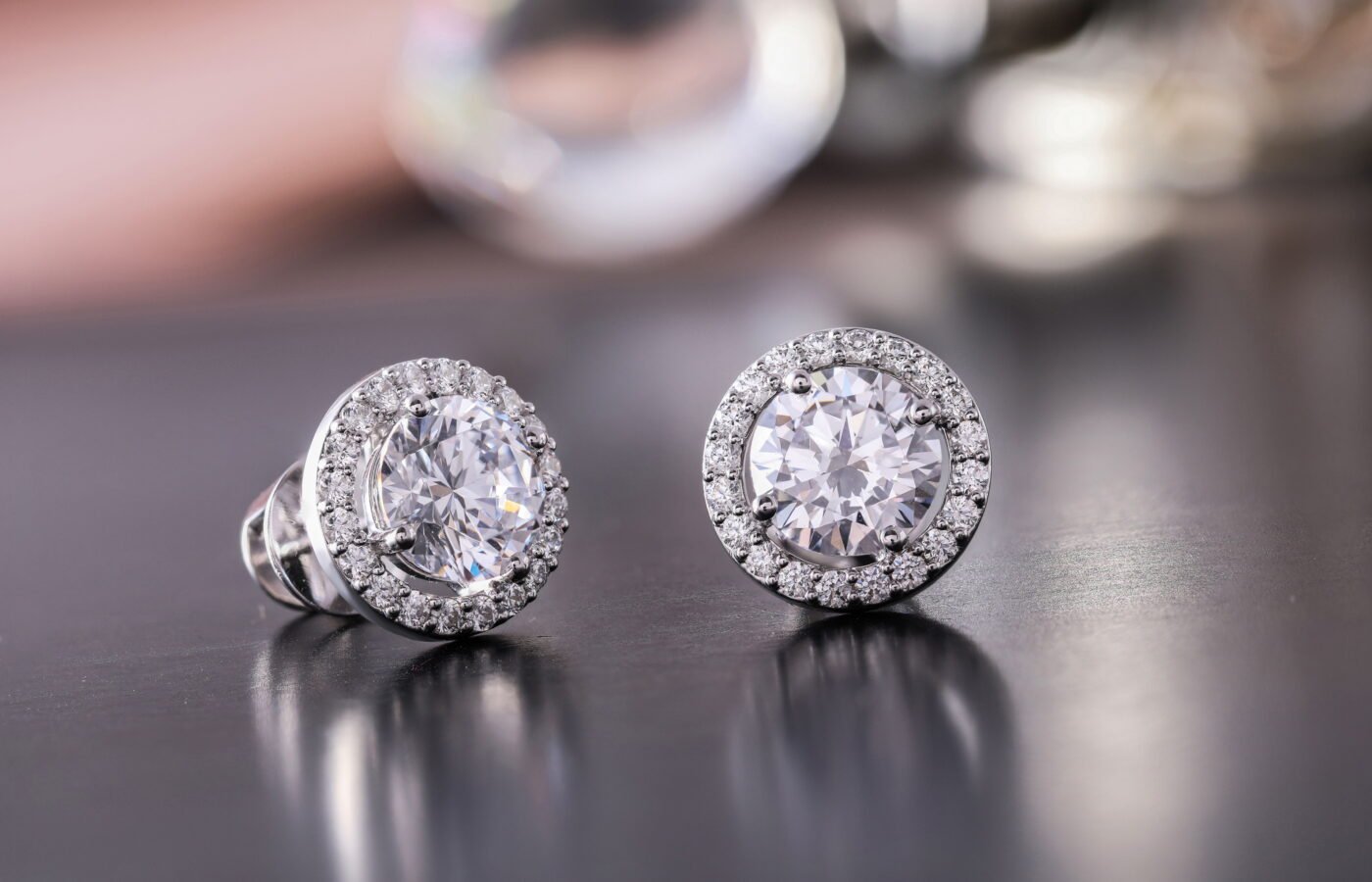
I spent a stretch of last winter helping my sister shop for a pair of stud earrings for her tenth anniversary, and what should have taken an afternoon turned into three weeks of comparing certificates, color grades, and return policies across half a dozen retailers. Every site swore it had the best price, the best sparkle, the best ethics. Almost none of them explained why the earrings sitting right next to each other on the same page — same carat weight, same shape — cost $400 apart. The technology has matured to the point where quality is rarely the problem; pricing transparency and retailer trustworthiness are. This guide walks through what actually separates a great pair of Lab Grown Diamond Earrings from an overpriced one, compares the retailers worth your time, and tells you honestly where the compromises still are.
Table of Contents
- What Lab Grown Diamond Earrings Actually Are
- Why Prices Have Fallen So Fast
- The Four Cs, Reconsidered for Earrings
- Certification: IGI vs. GIA, and Why It Matters More for Earrings Than You’d Think
- Retailer Comparison: Where I’d Actually Buy From
- Setting Styles and What They Cost You Long-Term
- Real Price Examples Across Carat Sizes
- Common Mistakes I See Buyers Make
- Future Trends in Lab Diamond Jewelry
- Frequently Asked Questions
- Final Verdict
- About the Author
What Lab Grown Diamond Earrings Actually Are
A lab grown diamond isn’t a diamond substitute — it’s carbon, arranged into the exact same crystal structure as a mined diamond, grown inside a lab under conditions that replicate the heat and pressure diamonds form under naturally. The two production methods you’ll see mentioned on product pages are HPHT (High Pressure, High Temperature) and CVD (Chemical Vapor Deposition). For earrings specifically, CVD stones tend to dominate the stud and hoop market because the process handles smaller, more uniform stones well, which is exactly what a matched pair of earrings needs.
The physical, chemical, and optical properties are identical to mined diamonds — same hardness, same refractive index, same fire and brilliance under light. The only meaningful difference a jeweler’s loupe or a standard gemological instrument can detect is origin, which requires specialized equipment most retail jewelers don’t even own.
Why Prices Have Fallen So Fast
If you shopped for lab diamonds even three or four years ago and are coming back to it now, the price drop will genuinely surprise you. Industry pricing data has tracked lab-grown stones falling to roughly 73% less than comparable natural diamonds, a gap that has widened every year as more growers enter the market and production efficiency improves.
That price collapse has changed buyer behavior more than most people realize. Lab-grown diamonds accounted for as much as 45% of diamond engagement ring purchases in the US in 2024, and that shift has pulled average engagement ring spending down alongside it — from about $6,000 in 2021 to $5,200 by 2024 — as buyers reallocate budget toward bigger, higher-quality stones instead of paying a premium for mined origin. Earrings have followed the same curve. A carat weight that would have been a splurge purchase five years ago is now a realistic option for a lot of buyers, which is the biggest practical change in this category.
The Four Cs, Reconsidered for Earrings
Cut, color, clarity, and carat still apply to lab diamonds exactly as they do to mined ones, but the priority order shifts a little when you’re buying earrings instead of a ring.
Cut matters more for earrings than most buyers expect, because studs sit close to the ear and catch light from more angles throughout the day than a ring does at rest. A poorly cut stone looks flat even in good lighting. I’d never trade cut quality for a bigger carat number in earrings — it’s the single biggest lever on how much they actually sparkle.
Color is where you can comfortably save money.
Clarity matters less in earrings than in a large single-stone ring, simply because stud diamonds are usually smaller and inclusions are harder to spot at that size. VS2 or SI1 clarity is typically eye-clean in a 0.5-carat stud and represents real savings over VVS grades.
Carat is where matched pairs get tricky. Two stones of identical carat weight can look noticeably different in diameter depending on cut proportions, so always check the millimeter measurement listed on the certificate, not just the weight, especially when buying a matched set from two different loose stones.
Certification: IGI vs. GIA, and Why It Matters More for Earrings Than You’d Think
Two labs dominate lab-grown diamond certification: IGI (International Gemological Institute) and GIA (Gemological Institute of America).
My advice, learned the hard way while helping my sister shop, is to buy matched pairs as a set whenever a retailer offers one, rather than assembling two loose stones yourself — retailers selling pre-matched pairs have already screened for consistent color and cut.
Retailer Comparison: Where I’d Actually Buy From
I looked closely at the retailers that come up again and again in this space and compared them on the things that actually affect an earring purchase: certification transparency, matched-pair sourcing, return policy, and how honestly they price relative to stone quality.
| Retailer | Certification | Matched Pair Sourcing | Returns | Standout For | Honest Downside |
|---|---|---|---|---|---|
| Blue Nile | GIA, IGI | Strong — dedicated matched-pair search filter | 30 days | Best overall selection and its Round Brilliant Studs are a consistently well-reviewed pick | Less customization for unusual shapes |
| Brilliant Earth | GIA, IGI | Good, with sustainability documentation | 30 days | Widest inventory (10,000+ lab stones) and strong ethical sourcing story | Prices run slightly higher than pure online-only rivals |
| James Allen | GIA, IGI | Good, via 360° video inspection per stone | 30 days | Best for actually seeing what you’re buying before checkout, since every stone has real video | No physical showroom in most cities |
| Clean Origin | IGI primarily | Decent | 100 days | Longest return window in the industry and lab-only focus keeps pricing sharp | Smaller inventory than the bigger generalists |
| With Clarity | IGI, GIA | Strong, custom pair-matching service | 30 days | Genuinely helpful for custom stud designs and halo settings | Shipping times can run longer on custom pieces |
| VRAI | GIA | Limited to VRAI’s own growing process | 30 days | Vertically integrated zero-emission growing process, appealing if sourcing transparency is your top priority | Fewer loose-stone options; more curated, less choice |
My honest take: if you want the least stressful buying experience with the best odds of a well-matched pair, Blue Nile and James Allen are the two I’d point a first-time buyer toward, mostly because their video and search tools make it easy to verify what you’re getting before you pay.
Setting Styles and What They Cost You Long-Term
The setting matters as much as the stone for earrings specifically, because studs get knocked around more than ring settings do — pulled through hair, caught on scarves, slept in.
- Prong settings (typically 4-prong for studs) show off the most light and sparkle but are more prone to snagging and, over years, prong wear that can loosen a stone.
- Bezel settings wrap a thin metal rim around the stone’s edge, sacrificing a small amount of brilliance for meaningfully better security — a smart tradeoff for daily-wear earrings versus special-occasion pieces.
- Martini settings (a 3-prong variant) split the difference, showing slightly more stone than a bezel while still being more secure than a standard 4-prong.
The sparkle difference is smaller than people assume, and the peace of mind is worth more.
Real Price Examples Across Carat Sizes
To make this concrete, here’s roughly what well-cut, G-color, VS-clarity lab diamond studs run across major retailers as of 2026, based on current published pricing:
- 0.25 ctw (0.125 ct per ear): roughly $250–$450
- 0.50 ctw (0.25 ct per ear): roughly $500–$900
- 1.00 ctw (0.50 ct per ear): roughly $900–$1,800
- 2.00 ctw (1.00 ct per ear): roughly $2,000–$4,500
You’ll also find budget alternatives from smaller direct-to-consumer brands running noticeably below these ranges — deal sites have featured 1.00 ctw lab diamond studs with AGI certification for around $279 during promotions, set in gold-overlay sterling silver rather than solid gold. Those can be legitimate value buys for someone who wants the look without the full investment, but they typically use thinner gold plating over silver rather than solid 14k or 18k gold, which affects long-term durability and tarnish resistance. Read the metal description carefully, not just the diamond specs.
Common Mistakes I See Buyers Make
- Comparing carat weight without comparing cut grade. Two 0.5-carat studs can look meaningfully different in size and sparkle depending on how the stone was cut.
- Assuming “certified” always means the same thing. Certification quality varies by lab, and some smaller or overseas labs grade more generously than IGI or GIA.
- Buying loose stones from two different listings and hoping they match. Always buy pre-matched pairs, or explicitly request matching from the retailer.
- Ignoring the backing and post material. Solid gold posts matter for anyone with sensitive ears; gold-plated posts can cause irritation over time even if the diamond itself is genuine.
- Skipping the return window check. Earrings, more than any other jewelry category, benefit from a generous return policy since fit, comfort, and how they actually look on you are hard to judge from a product photo.
Future Trends in Lab Diamond Jewelry
The clearest trend right now is that lab-grown diamonds have stopped being positioned as a “budget alternative” and are increasingly marketed on their own merits — sustainability, traceability, and larger carat sizes at accessible prices. As natural diamond retailers reposition mined stones as a luxury, heritage purchase, expect lab-grown jewelry to keep pushing further into everyday-luxury territory: bigger stones, more color options (yellow and pink lab diamonds are becoming more available and more affordable), and more direct-to-consumer brands competing on price.
I’d also expect certification and traceability tech to keep improving.
Frequently Asked Questions
Are lab grown diamond earrings real diamonds? Yes. They share the same chemical composition, hardness, and optical properties as mined diamonds.
Why are lab grown diamond earrings so much cheaper than mined ones? Production has scaled up significantly and become more efficient, and lab-grown stones don’t carry the mining, land rights, and distribution costs mined diamonds do. Pricing data shows lab-grown stones now running roughly 73% below comparable natural diamonds.
Do lab grown diamonds sparkle the same as natural diamonds? Yes, given the same cut quality. Sparkle is a function of cut, not origin, so a well-cut lab diamond will out-sparkle a poorly cut natural one every time.
Should I choose GIA or IGI certification for earrings? Either is reputable, but GIA tends to grade slightly more conservatively. For matched pairs, consistency between the two stones matters more than which lab issued the certificate.
What carat size is best for everyday stud earrings? Somewhere between 0.25 and 0.75 carats per ear tends to balance visibility and everyday comfort without looking overly heavy for daily wear, though this is entirely a personal preference call.
Will lab grown diamond earrings hold their resale value? Generally no — like most diamond jewelry, resale value is limited, and lab-grown stones in particular have seen resale prices track their falling retail prices. Buy them to wear and enjoy, not as an investment.
Final Verdict
Lab grown diamond earrings in 2026 are a genuinely good buy, not a compromise dressed up as one. The technology is settled, the pricing has become far more buyer-friendly than it was even a couple of years ago, and the retailers competing in this space have gotten a lot better about certification transparency and matched-pair sourcing. The real risk isn’t buying lab-grown — it’s buying from a retailer that doesn’t clearly show cut grade, certification, and matching quality, and hoping carat weight alone tells the whole story. Do the comparison work up front, prioritize cut over carat, and lean toward retailers with generous return windows, and you’ll end up with earrings that look and perform exactly like their mined counterparts, at a fraction of the cost that would have been possible even five years ago.
About the Author
This article was researched and written by a jewelry and consumer-goods analyst who covers the lab-grown diamond market, retailer pricing trends, and gemological certification standards, drawing on industry pricing data, retailer policy comparisons, and hands-on shopping experience to help readers make informed purchasing decisions.
juzzwfeihzeiwruhtllnexmskldrxg